
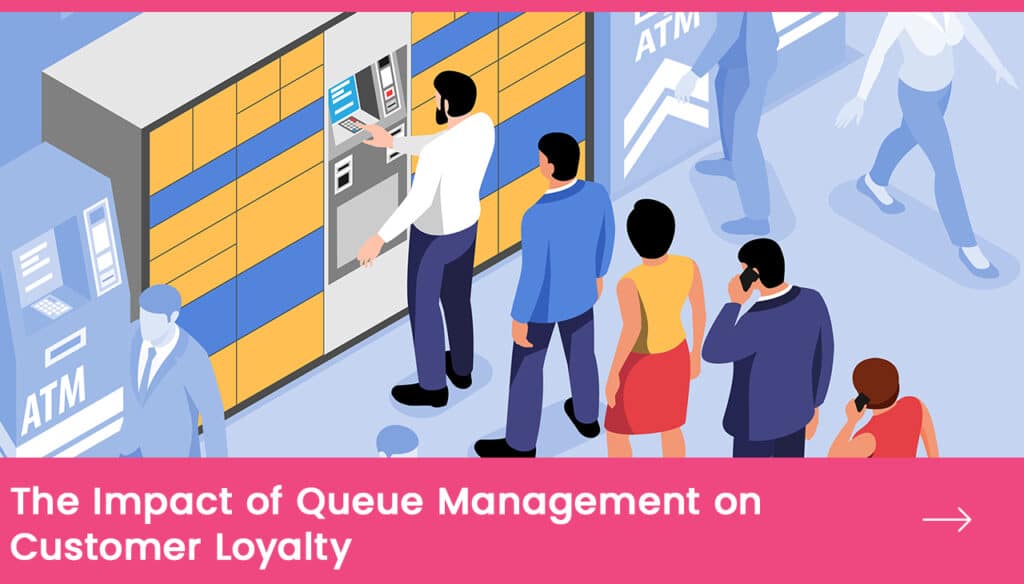
In today’s fast-paced world, time is a precious commodity – and nowhere is this more evident than in Riyadh’s bustling service industry. Whether you’re grabbing a quick bite at a popular restaurant or handling important business at the bank, inefficient queuing systems can quickly sour the experience and erode customer loyalty. But what if there was a way to transform those frustrating wait times into opportunities to delight and retain valued patrons? By implementing innovative queue management strategies, savvy businesses are discovering the key to unlocking superior customer satisfaction, building brand affinity, and gaining a crucial competitive edge. Join us as we delve into the art of queue mastery, exploring cutting-edge techniques that could revolutionize your approach to customer service in the heart of Riyadh.
The Costs of Queuing Frustration
Prolonged wait times and disorderly queues can have severe consequences for businesses, impacting everything from revenue to reputation. When customers experience frustration due to inefficient queuing systems, they are more likely to abandon transactions, seek alternatives, and ultimately defect to competitors. This customer churn translates into significant lost revenue opportunities and can irreparably damage a brand’s image.
Furthermore, the stress of managing long queues and disgruntled patrons can take a toll on employee morale and productivity, leading to higher turnover rates and further exacerbating service quality issues. By addressing queue management challenges head-on, businesses can mitigate these risks and foster an environment conducive to customer loyalty and employee satisfaction.
Understanding Queue Psychology
Effective queue management requires a deep understanding of queue psychology – the study of how individuals perceive and react to waiting experiences. Contrary to popular belief, it’s not just the actual wait time that matters; perceived wait time plays a crucial role in shaping customer attitudes and behaviors.
Factors such as transparency, communication, and environmental stimuli can significantly influence patience levels and the overall queuing experience. For instance, providing real-time updates on wait times or offering engaging distractions can help mitigate the negative impact of long queues.
By leveraging insights from queue psychology, businesses can design queuing systems that align with customer expectations and preferences, ultimately enhancing loyalty and fostering positive brand associations.
Traditional Queue Management Methods
For decades, businesses have relied on traditional queue management methods, such as physical line formations, appointment systems, and first-come, first-served models. While these approaches have their merits, they often fall short in meeting the evolving needs of modern customers.
Physical lines can be disorganized and frustrating, particularly during peak periods, while appointment systems may lack the flexibility to accommodate last-minute changes or unexpected demand surges. First-come, first-served models, while equitable, can lead to excessive wait times and dissatisfaction for those at the back of the queue.
As businesses strive to enhance customer experiences and build loyalty, it has become increasingly evident that these traditional methods alone are insufficient. The need for innovative, technology-driven solutions has never been more pressing.
Embracing Digital Transformation
In recent years, the rise of queue management software and virtual queuing systems has revolutionized the way businesses approach customer flow and wait times. By leveraging these digital solutions, companies can streamline operations, reduce perceived wait times, and provide a more seamless and personalized experience for their patrons.
Mobile and web-based queuing applications allow customers to virtually “get in line” and receive real-time updates on their position, estimated wait times, and service availability. This transparency and control over the queuing process can significantly improve customer satisfaction and foster a sense of loyalty toward businesses that prioritize efficient service delivery.
Furthermore, these digital platforms enable businesses to gather valuable customer data, preferences, and feedback, empowering them to tailor their services and offerings to meet the unique needs and expectations of their target audience.
Personalizing the Queuing Experience
In today’s customer-centric landscape, personalization is key to building lasting relationships and fostering loyalty. By leveraging the data collected through queue management systems, businesses can create tailored queuing experiences that make customers feel valued and prioritized.
This can involve offering customized services or products based on past preferences, providing priority queuing options for loyal customers, or even creating a sense of exclusivity through invite-only or VIP queuing channels.
Additionally, personalized communication and engagement can be integrated into the queuing process, ensuring that customers feel informed and valued throughout their wait. By delivering a high-touch, personalized experience, businesses can differentiate themselves from competitors and cultivate long-lasting customer loyalty.
Enhancing the Wait with Engagement
While minimizing wait times is a priority, savvy businesses recognize that engaging customers during the queuing process can significantly improve their overall experience and perception of the brand. By incorporating in-queue entertainment, information, and interactive elements, businesses can transform potentially frustrating wait times into opportunities for engagement and delight.
From providing educational content or gamified experiences through mobile applications to leveraging social media integration and user-generated content, the possibilities for in-queue engagement are vast. Reward programs and loyalty incentives can further incentivize customers to embrace and even enjoy the queuing process, fostering a positive association with the brand.
By treating the queue as an extension of the customer experience, rather than a mere transactional necessity, businesses can foster deeper connections with their patrons and cultivate a loyal following.
Optimizing Staffing and Resource Allocation
Effective queue management extends beyond the customer-facing aspects; it also involves optimizing internal operations and resource allocation. By leveraging predictive analytics and demand forecasting capabilities within queue management systems, businesses can make data-driven decisions about staffing levels, task assignments, and operational efficiency.
Dynamic scheduling and real-time resource allocation can help businesses adapt to fluctuating demand patterns, ensuring that customer flow remains smooth and wait times are minimized during peak periods. This proactive approach not only enhances customer satisfaction but also contributes to cost savings by reducing overstaffing or understaffing scenarios.
By streamlining operations and aligning resources with demand, businesses can deliver consistent, high-quality service experiences that foster customer loyalty and repeat business.
Case Studies: Local and Global Success Stories
The transformative power of queue management is evident in the success stories of businesses both locally and globally. From renowned hospitality chains to innovative retail outlets, those who have embraced cutting-edge queuing strategies have experienced remarkable improvements in customer loyalty and revenue growth.
For example, a popular quick-service restaurant chain in Riyadh implemented a virtual queuing system that allowed customers to reserve their spot in line through a mobile app. This not only reduced perceived wait times but also provided valuable data insights that enabled personalized service and targeted promotions. As a result, the chain witnessed a significant increase in customer retention rates and positive online reviews, solidifying its reputation for exceptional service.
Globally, a major theme park resorted to innovative queue management techniques, combining virtual queuing with in-queue entertainment and gamification. Visitors could reserve their spots for popular rides and engage with interactive experiences while waiting, fostering a sense of excitement and loyalty toward the brand.
These success stories highlight the tangible impact that effective queue management can have on customer loyalty, brand affinity, and overall business performance.
Overcoming Implementation Challenges
While the benefits of innovative queue management strategies are clear, businesses may face challenges during implementation. Addressing staff training and change management is crucial to ensure a smooth transition and widespread adoption of new queuing systems and processes.
Data security and privacy concerns must also be carefully navigated, as queue management platforms often handle sensitive customer information. Implementing robust security protocols and adhering to data protection regulations is essential for maintaining customer trust and loyalty.
Additionally, businesses must be prepared to make strategic technology investments to support their queue management initiatives. By carefully budgeting and prioritizing these investments, companies can position themselves for long-term success in delivering superior customer experiences and fostering lasting loyalty.
The Future of Queue Management
As technology continues to evolve, the future of queue management promises even greater innovation and customer-centric solutions. The integration of artificial intelligence and machine learning into queue management systems will enable more accurate demand forecasting, predictive resource allocation, and personalized engagement strategies.
Furthermore, the rise of automation and self-service solutions, such as automated check-in kiosks and mobile ordering systems, will streamline queuing processes and empower customers with greater control over their experiences.
As customer expectations continue to shift, businesses that adapt their queue management strategies to align with these evolving needs will be well-positioned to maintain a competitive edge and cultivate enduring customer loyalty.
Conclusion
In the dynamic landscape of Riyadh’s service industry, effective queue management is no longer a luxury – it’s a necessity for businesses seeking to cultivate customer loyalty and thrive in an increasingly competitive market. By embracing digital transformation, personalizing queuing experiences, and optimizing operations, companies can transform wait times from frustrating inconveniences into opportunities for engagement, delight, and brand affinity.
The benefits of successful queue management extend far beyond mere operational efficiencies; they encompass enhanced customer satisfaction, improved brand reputation, and ultimately, increased revenue and profitability. As businesses in Riyadh strive to differentiate themselves and build lasting relationships with their patrons, prioritizing innovative queuing strategies will be a critical component of their customer-centric approach.
Investing in cutting-edge queue management solutions is an investment in the future of your business, one that can cultivate a loyal customer base and position your brand as a leader in exceptional service delivery. Embrace the art of queue mastery, and unlock the full potential of customer loyalty in the heart of Riyadh’s thriving service industry.
FAQs
How can businesses measure the impact of queue management on customer loyalty?
There are several metrics that can be used to measure the impact of queue management on customer loyalty, including:
- Customer satisfaction surveys
- Repeat business and customer retention rates
- Net Promoter Score (NPS)
- Online reviews and social media sentiment analysis
- Customer lifetime value (CLV) calculations
By tracking these metrics before and after implementing queue management strategies, businesses can quantify the direct impact on customer loyalty and engagement.
Can queue management strategies be applied to online or e-commerce businesses?
Absolutely. While queue management is often associated with physical locations, the principles can be effectively applied to online businesses as well. Virtual queuing systems, chatbot support, and intelligent routing of customer inquiries can all contribute to enhancing the online customer experience and fostering loyalty.
What are the typical costs associated with implementing queue management solutions?
The costs can vary depending on the specific solution and the size of the business. Some common expenses may include software licensing fees, hardware investments (e.g., kiosks, tablets, or digital signage), integration with existing systems, staff training, and ongoing maintenance and support. However, these costs are often offset by the long-term benefits of improved customer loyalty, increased revenue, and operational efficiencies.
How can businesses ensure data privacy and security when collecting customer information for queue management?
Implementing robust data security protocols, adhering to industry-specific regulations (such as GDPR or HIPAA), and maintaining transparency with customers about data collection practices are essential. Businesses should also consider encrypting sensitive data, conducting regular security audits, and providing comprehensive training to employees on data handling procedures.
Can queue management strategies be integrated with existing customer relationship management (CRM) systems?
Yes, many queue management solutions offer integration capabilities with popular CRM platforms. This integration allows businesses to leverage customer data and insights from their CRM systems to personalize the queuing experience further and deliver tailored service offerings.